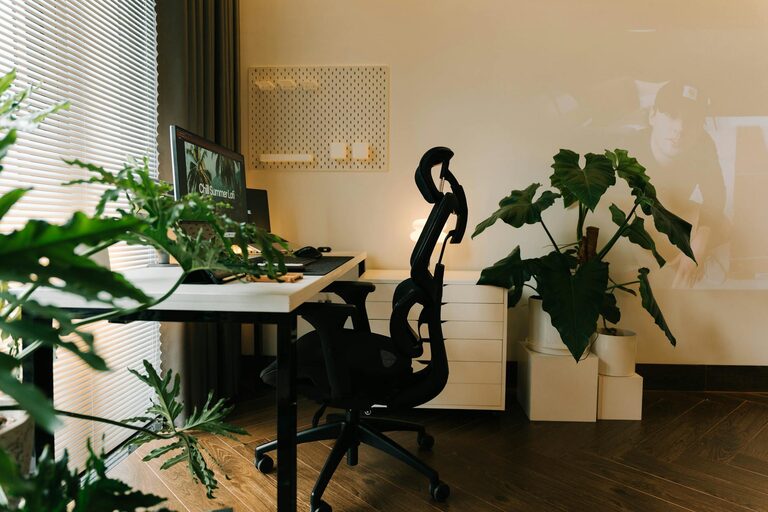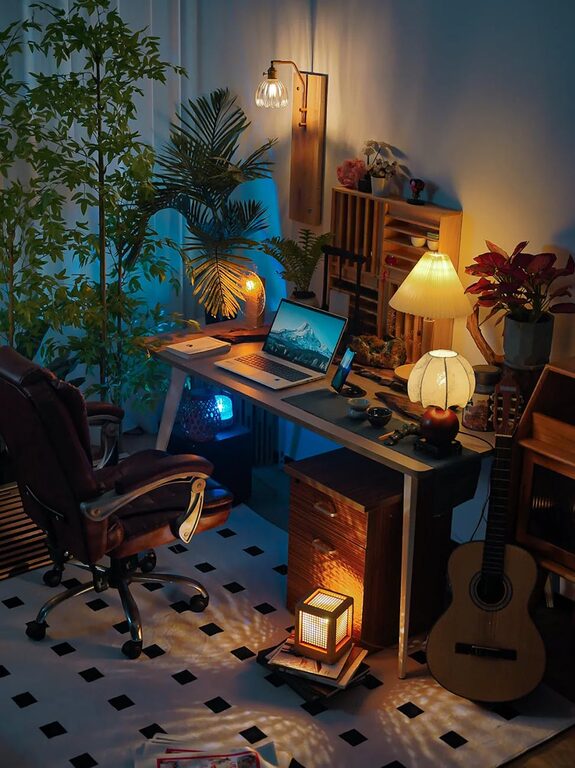
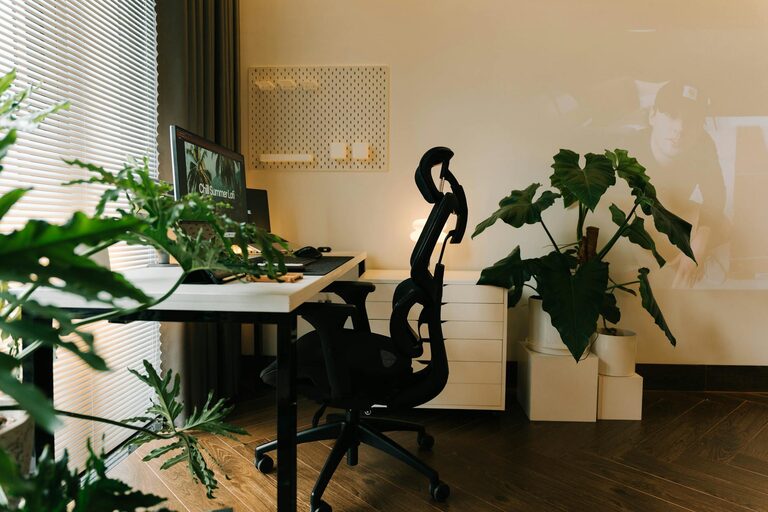
Creating a home workspace that feels both relaxing and productive can make a big difference in your daily routine. Whether you work from home full-time or just need a dedicated spot for occasional tasks, designing a space that supports comfort and focus is key. This post will guide you through practical tips to set up a home workspace that boosts your productivity while helping you stay relaxed throughout the day.
Why a Relaxing Workspace Matters
Your environment impacts how you work. A cluttered, uncomfortable space can increase stress and reduce efficiency. On the other hand, a calm, organized area encourages concentration and creativity. When your workspace invites relaxation, it becomes easier to tackle tasks without feeling overwhelmed.
Step 1: Choose the Right Location
Selecting the ideal spot is the foundation of your workspace. Here are some factors to consider:
– Natural Light: Position your desk near a window if possible. Natural light helps regulate your mood and energy.
– Quiet Area: Find a quiet part of your home to minimize distractions.
– Space: Look for enough room to comfortably place your desk, chair, and any necessary equipment.
If a separate room isn’t available, designate a specific corner or nook that is dedicated solely to work. This helps create mental separation between work and relaxation zones.
Step 2: Invest in Ergonomic Furniture
Comfort plays a major role in maintaining productivity and wellbeing. Consider these furniture tips:
– Chair: Use an ergonomic chair that supports your back and promotes good posture.
– Desk: Choose a desk at the right height so your arms rest comfortably while typing or writing.
– Adjustable Options: Standing desks or adjustable desks can reduce fatigue by allowing you to alternate between sitting and standing.
Adding a footrest or wrist supports can also improve comfort during long work sessions.
Step 3: Declutter and Organize
A clutter-free workspace promotes focus and calm. Try these strategies:
– Keep Essentials Only: Limit your desk items to the tools and documents you use daily.
– Storage Solutions: Use shelves, drawers, or filing cabinets to keep supplies organized.
– Daily Reset: Spend a few minutes at the end of each workday tidying your space.
An organized workspace reduces visual distractions and helps you find what you need quickly.
Step 4: Personalize Thoughtfully
Adding personal touches can make your workspace more inviting without becoming distracting.
– Plants: Small potted plants add a touch of nature and can improve air quality.
– Artwork or Photos: Displaying a few favorite images can boost your mood.
– Colors: Use calming colors like soft blues, greens, or neutrals to create a soothing atmosphere.
Avoid overcrowding your space with too many decorations that might clutter your mind.
Step 5: Manage Lighting
Good lighting reduces eye strain and sets the tone for your workspace.
– Use Multiple Light Sources: Combine natural light with task lighting like adjustable desk lamps.
– Avoid Glare: Position screens and light sources to minimize reflections.
– Warm Light: Choose bulbs with a warm color temperature to create a cozy feel.
Proper lighting helps you stay alert without causing fatigue.
Step 6: Incorporate Soothing Elements
Small touches can help you maintain relaxation and focus throughout your day.
– Aromatherapy: Use a diffuser with calming scents like lavender or eucalyptus.
– Soft Textures: A cozy rug or cushion can add warmth.
– Background Sound: Gentle instrumental music or nature sounds may enhance concentration for some people.
Experiment with different sensory elements to see what best suits your workflow.
Step 7: Set Boundaries and Routine
Creating routines and boundaries supports productivity at home.
– Work Hours: Define specific start and finish times for your workday.
– Breaks: Schedule regular short breaks to stretch or rest your eyes.
– Disconnect Zone: Keep your workspace distinct from relaxation areas to help transition out of work mode.
Establishing clear guidelines prevents burnout and keeps your workspace a place you enjoy.
Final Thoughts
A relaxing home workspace is an investment in your wellbeing and productivity. By thoughtfully selecting your location, choosing ergonomic furniture, keeping things organized, and adding personal soothing touches, you can create an environment that supports your best work. Remember that your workspace should fit your unique needs and preferences, so feel free to adapt these tips to suit you.
With a comfortable and calming setup, you’ll find it easier to stay focused, feel relaxed, and make the most of your time at home. Happy creating!